
Oct 16, 2026
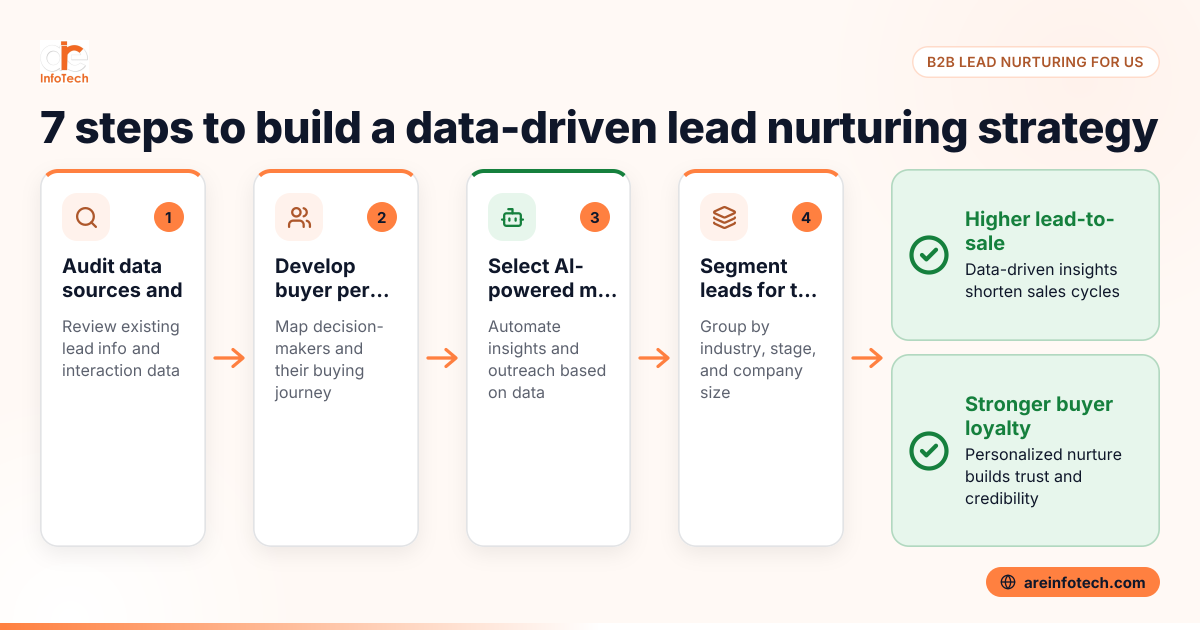
Creating a data-driven B2B lead nurturing strategy for manufacturing companies in the United States is essential to build long-term relationships and convert prospects into loyal clients. Using data insights allows manufacturers to tailor communication, optimize the sales funnel, and improve conversion rates effectively.
A B2B lead nurturing strategy for manufacturing in the United States is a systematic approach using data insights to engage manufacturing buyers through timely, relevant communications that guide prospects from awareness to purchase, respecting unique industry needs and US regulations.
The manufacturing sector’s sales cycle is often longer with complex buying processes involving multiple decision-makers. This makes nurturing leads with personalized, data-backed content critical to moving prospects closer to a sale. Moreover, American manufacturers value factual, technical information supported by clear ROI and compliance assurances.
Data enables tailoring of messages to fit the prospect’s stage in the buying journey, industry segment, and role in the purchasing process. In manufacturing, where buyers expect detailed product specifications and compliance information, delivering the right content at the right time is crucial.
Data also helps prioritize leads by scoring their engagement and fit, improving marketing efficiency. By tracking email opens, downloads, event participation, and website behavior, marketers can refine their outreach and increase win rates.
AI B2B lead tools analyze vast amounts of data to identify patterns and suggest the best engagement timing and content personalized for each lead. This automation reduces manual effort and increases precision in marketing campaigns.
They can predict which leads have the highest conversion potential and recommend next best actions, increasing efficiency especially in complex manufacturing sales cycles.
Start by integrating your CRM with marketing platforms like HubSpot or Marketo, commonly used in American manufacturing firms. This integration ensures seamless capturing of interactions across email, website, phone, and social.
Use website analytics tools such as Google Analytics 4 to monitor where leads spend time and which content they engage with. Set up form tracking on whitepapers, case studies, and product demos relevant to manufacturing solutions.
Surveys and sales team feedback also provide qualitative insights on lead interest and objections, vital for tailoring content.
Compliance with regulations such as CAN-SPAM and TCPA is mandatory for email and phone marketing. This means obtaining explicit consent for communications where required, offering easy opt-out options, and tracking permissions.
Manufacturers must also keep records of consents and avoid calling leads on the National Do-Not-Call Registry unless exceptions apply. Using compliant email service providers helps manage these aspects professionally.
Following these regulations builds credibility and fosters trust among your B2B manufacturing prospects.
Content should revolve around solving specific challenges faced by manufacturing buyers:
Providing technical data sheets and certifications also helps in addressing buyer concerns, positioning your business as a trusted partner.
AI-driven lead nurturing increases ROI by automating personalized communication and prioritizing leads most likely to convert. This targeted approach reduces wasted marketing spend and shortens the sales cycle.
For manufacturers in cities like Detroit or Houston, where production costs are closely managed, improved lead conversion directly impacts profitability and market competitiveness.
Ensure both teams share visibility into lead data and KPIs via integrated CRM and communication platforms. Regular cross-team meetings help align messaging, timing, and feedback loops.
Train sales staff to recognize and act on AI-generated lead scores and nurture campaign insights. This collaboration results in smoother handoffs and improved prospect engagement.
Manufacturing businesses investing time and technology in these steps see increased lead-to-sale conversion and stronger buyer loyalty.
To ensure your data-driven B2B lead nurturing content ranks well, focus on including keywords such as "B2B lead nurturing strategy manufacturing United States" naturally within headings, meta descriptions, and body text. Use variations with geographic markers (e.g., “manufacturing lead nurturing US”) to capture local search intent.
Optimize page speed, mobile usability, and backlinks from industry-related US manufacturing websites to boost authority. Adding structured data for FAQs also improves search visibility.
Consider regularly updating content to reflect new US manufacturing trends and regulations, providing fresh, relevant insights your audience seeks.
Use a mix of firmographic data such as company size, revenue, and industry, plus behavioral signals like content downloads and email interactions. Assign points based on these criteria to prioritize leads most likely to convert.
Due to the longer sales cycle, campaigns can last from 3 to 9 months, with varied messaging aligned to each buyer’s phase in the journey.
Many AI B2B lead platforms include compliance features, such as managing opt-outs and respecting contact permissions, but marketers should still review and enforce regulatory policies.
Phone calls remain a high-impact channel in manufacturing, especially for key decision-makers. Using data from emails and digital interactions helps prioritize calls and tailor scripts.
Track metrics like email open and click rates, lead conversion rate, marketing-sourced pipeline, and ROI. Also, gather feedback from sales on lead quality improvements.
For deeper insights into creating successful B2B campaigns that align with US manufacturing industry demands, explore the ARE InfoTech blog. You can also learn more about linking analytics data to sales outcomes in How to Use Google Analytics 4 to Improve B2B Lead Conversion for Small Businesses in United States.
Investing in a robust, data-driven lead nurturing strategy helps manufacturing companies in cities such as Chicago and Detroit foster stronger customer relationships, maximize marketing ROI, and stay competitive in the evolving American marketplace.
Google Reviews


